Most Nordic lifestyle brands are too small for their own shop in China and too premium for a commodity shelf. We are building ileeli to fix that. One Nordic lifestyle store, inside the Nordic Lifestyle Centres, in Tier 2 and Tier 3 cities. Here is the thinking.
By Niels Boje Lund, Shaeps, updated 2026.09.08

Most Nordic lifestyle brands hit a structural problem before they get anywhere near the question of demand.
They are too small to justify their own shop in a Chinese city. They are too premium to fight it out on commodity retail shelves.
And the platforms that would normally bridge that gap - Tmall, JD, department store concessions - strip out the cultural context that makes a Nordic brand recognisable in the first place.
ileeli is the retail concept we are building to fix that. A single Nordic lifestyle store, designed for affluent middle-aged Chinese consumers in Tier 2 and Tier 3 cities.
Each brand inside it gets the scale, the footfall and the curated positioning that no one of them could generate alone.
What is ileeli
A Nordic lifestyle store built for the Chinese market.
It brings several Nordic brands together - fashion, giftware, personal care - under one curated format, located only inside the Nordic Lifestyle Centres in Tier 2 and Tier 3 cities.
The customer is an affluent middle-aged Chinese buyer who chooses on design, story and cultural distinctiveness rather than on price.
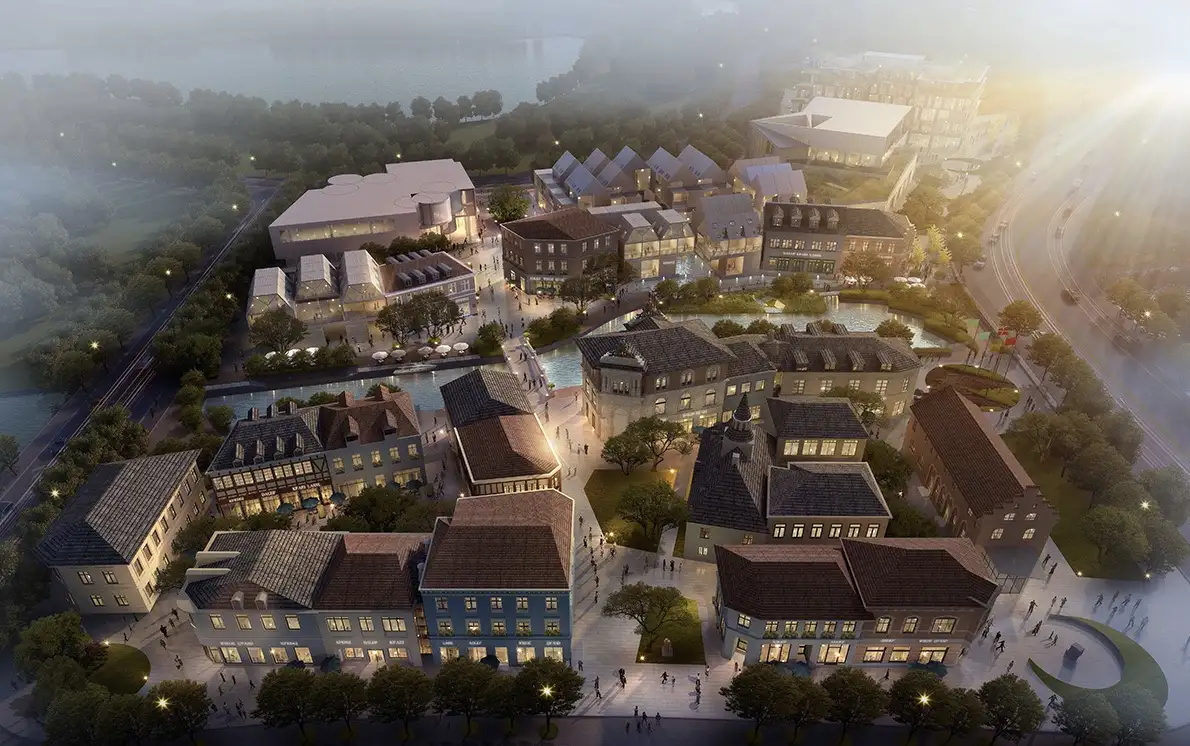
Nordic lifestyle centre concept

We're a lot like no one else. You can be too
ileeli’s mission is to deliver a shopping experience for those who strive for design-led, sophisticated and individual style, and who aspire to an upscale ‘good life’ - targeting affluent, mid‑age consumers in China
Why single brands struggle here
Nordic lifestyle brands are usually small. Most are SMEs whose revenue cannot carry the cost of an independent retail presence in China. Leases. Staff. Registration. Media spend to build the brand.
A single Nordic brand entering alone carries the same fixed costs as a multinational tenant, with a fraction of the revenue to cover them.
The alternatives are not much better.
Platform retail cuts your entry cost and removes your context. Your brand becomes one product among thousands, competing on price and review counts. The story that makes you distinctive at home disappears into a feed of comparable items.
And recognition works against you. Chinese consumers know "Nordic design" and "Scandinavian lifestyle" as categories far better than they know any individual Nordic brand.
Enter alone and you start from low recognition. The value in the category goes to whoever consolidates it first.
Why putting the brands together works
"Nordic lifestyle" carries real associations here. Clean design. Sustainability. Quality. Simplicity. Craftsmanship.
Most individual Nordic brands do not have the scale to communicate that on their own. Putting several of them under one curated roof converts the category recognition into commercial scale.
The store becomes somewhere people go, not just somewhere they buy. A customer who came for textiles finds homeware. A customer who came for personal care finds food. Every brand benefits from the traffic the others bring.
The format also creates space for cultural programming, education, and the kind of brand experience a platform cannot support.
The economics are simple. The cost of the store is shared. The brand-building value goes to each brand individually. For a Nordic SME, that is a much better structure than going alone.

Fashion department
Sand dune theme
Who we built it for
Not the Tier 1 luxury millennial.
ileeli is built for a different group. Affluent middle-aged consumers in Tier 2 and Tier 3 cities, who buy to shape their own environment rather than to signal status.
They have real disposable income, settled taste, and they prefer design, story and provenance to trend or brand prestige.
That is a materially different customer from the one most foreign luxury and lifestyle brands chase. The Tier 1 buyer is younger, more trend-driven, more brand-conscious, and heavily contested by global luxury houses.
The Tier 2 and Tier 3 middle-aged buyer is steadier, less trend-driven, and far less contested, because foreign brands have not reached them at scale yet.
Designing for them means quieter aesthetics, longer product cycles, and curation instead of churn.
It also means a different rhythm. This relationship is not built on flash sales and influencer drops. It is built on repeat visits, seasonal programming, and the trust that develops over time in a physical space.
How it fits with the centres
ileeli is the retail anchor of the Nordic Lifestyle Centres. The centres are cultural and commercial hubs combining retail, exhibition, education and community space. The two were designed together.
The centres bring the footfall. Someone who comes for an Andersen exhibition or a sustainability workshop walks through the ileeli floor.
The cultural setting also changes the meaning of the product. A Nordic textile sold inside a Nordic cultural centre is not the same thing as the same textile sold on Tmall.
And the local government partnership behind the centres lowers the cost base. Land, lease terms and infrastructure support that would be out of reach for an independent retail venture become available, because the centre is a cooperation project the local government wants to work. ileeli sits inside that structure.

Giftware department
Rustic fall foliage theme
Which brands fit
Brand-led, design-led, culturally distinct Nordic SMEs. Fashion, design, homeware, giftware, premium food, personal care, education concepts.
The test is the same as for the centres. Does your value depend on cultural context, story or design distinctiveness?
Not commodity producers. Not bulk manufacturers. Not B2B suppliers.
If you compete on price or scale, the format does not work for you. You would carry the cost of cultural integration without the brand value that justifies it.
Personal care department
Frozen lake theme
What this means for you
If you are a brand-led Nordic lifestyle SME with a credible case for mid-tier China, ileeli is worth considering.
It addresses the structural problem you actually have. Too small for your own shop, too premium for a commodity platform. And it puts your Chinese presence inside a curated environment rather than a price comparison.
The format is not fully built out yet. The logic underneath it is durable. Nordic brands together, curated, inside a cultural venue, aimed at a middle-aged Tier 2 and Tier 3 buyer.
For the kind of company this was built for, that beats going alone.
If you are a commodity producer, a scale manufacturer or a B2B supplier, this is not your route. Our core entry work covers what fits you.
Test it first
The same discipline applies here as to any entry structure. Validate before you commit.
The format works for the right brand with a real case. It fails expensively for the wrong company in the wrong place.
Before you commit to ileeli or to anything else, test the case. Does your brand actually land with this buyer? Is the demand real at the price you need? Are you ready to run a retail relationship from a distance?
Related content

China market structure explained: how B2C, B2B and B2G actually work

Export failure rate: why most market entries fail and what changes the outcome

The competition effect: China does not make you better. It tells you faster.

Do you need a China consultant, or something else?

Why companies fail in the China market

China business culture for foreign companies

China technology infrastructure opportunities: advantage, constraint, and the strategic question

Cultural barriers exporting to China: why they create commercial failure, not just awkward moments
Why Nordic Lifestyle Centres in China
Why we are building a Nordic lifestyle store for Tier 2-3 China

IP protection in China: what foreign companies actually need to do before they enter

European SME China strategy: why small companies can compete and what it actually requires